
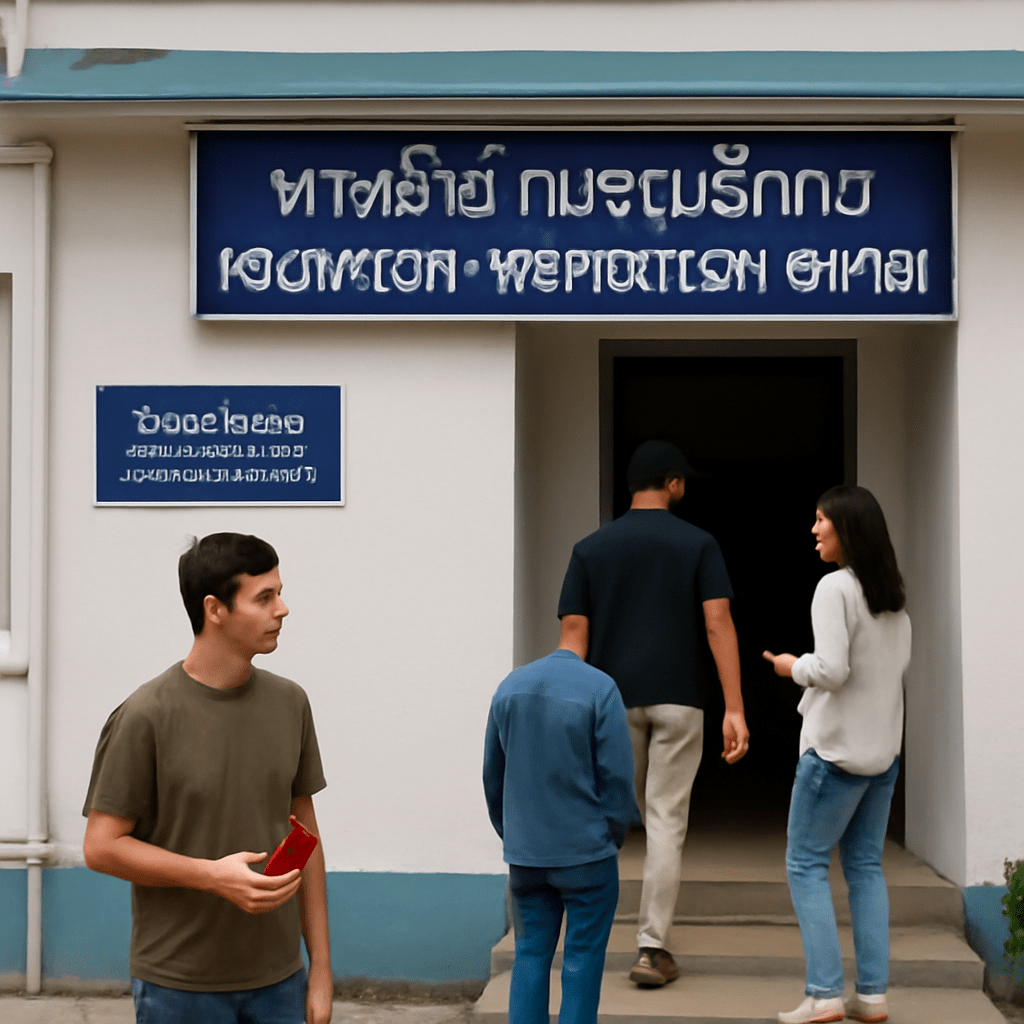
Overstay in Thailand is technical, not theatrical; the consequences turn on dates, documents, and how you present yourself to officials. The rules are national, but your path through them in Udon Thani depends on accurate paperwork and a calm sequence of steps. If you’ve overstayed—by a day or longer—the most useful thing you can do is stop guessing and read the official guidance. Then act. This page explains how overstay is defined in 2025, what the Immigration Bureau’s notices say about fines and re-entry bans, why clearing overstay locally can be safer than waiting for the airport, and what to prepare before you walk into the Udon Thani Immigration Office. One more reality: your family-status documents (marriage, divorce, children) can affect your options. Details matter; outcomes depend on the facts.
Quick Answer

What ‘overstay’ means under Thai rules in 2025
Overstay begins the day after your last permitted stay date. Thailand treats it as an immigration offense with a per‑day fine up to a capped maximum and potential re‑entry bans tied to the length of overstay and whether you surrendered or were arrested.
Overstay is not a vibe; it’s arithmetic. Your visa, exemption, or extension grants a last permitted date—stamped in your passport. The day after that is overstay. One day or many, it counts. Thailand’s Immigration Bureau administers fines and may impose re‑entry consequences according to official notices, which apply nationwide, including Udon Thani.
Two pivots affect outcomes: the duration of your overstay and how the case comes to light. Voluntary surrender at Immigration generally follows an administrative pathway (fine, record updated, onward plan checked). Arrest during a spot check or at departure usually folds in detention logistics and may trigger harsher re‑entry consequences—again, per the published rules.
If your permitted stay has not yet expired but your situation is unstable (passport issue, hospital stay, family crisis), seek advice early. Some categories allow extensions on specific grounds. Do not rely on hearsay or off‑the‑cuff promises; officials apply the written guidance.
Overstay fines and re-entry bans—what the official notices actually say
Thailand imposes a per‑day overstay fine up to a published cap and re‑entry bans scaled to the number of days overstayed and whether you surrendered or were arrested. Always confirm the current figures in the Immigration Bureau’s notices.
The Immigration Bureau’s public service materials describe the fine process and the documents officers review before accepting payment. The schedule for re‑entry bans is published in Immigration notices and links the length of the ban to both (1) the number of days you overstayed and (2) whether you turned yourself in or were apprehended. This is not folklore; it’s official policy, subject to change by notice.
Key principles to internalize:
- Fines are calculated per day of overstay up to a capped maximum. The cap and daily rate are set by policy; check the latest Immigration Bureau manual before you go.
- Re‑entry bans are not one‑size‑fits‑all. The threshold days and ban durations differ depending on surrender vs arrest, according to the Immigration Bureau notice on re‑entry bans relating to overstay.
- Payment of a fine resolves the administrative overstay for that instance but does not erase record history. Future applications may ask about past overstays.
Where to verify: See the Immigration Bureau’s public service manual for the overstay fine process and the notice on re‑entry bans. Policy language can be updated—use the most recent documents, not an old forum post.
Note: We do not quote exact fine amounts or ban durations here because they can be updated by official notice. Review the linked sources or contact us for a current assessment based on your dates.
Clearing overstay at the Udon Thani Immigration Office: what to prepare and how it usually runs
Arrive prepared: passport, any prior extensions or entry stamps, funds for the fine, and proof of your next step (departure or eligibility for an extension). Expect identity verification, data check, fine assessment, and an outcome aligned with your facts and the rules.
Local clearance is often simpler than rolling the dice at the airport. You get the facts checked, the fine assessed, and—if your category allows it—guidance on an in‑country fix or structured departure. No wink‑and‑nod shortcuts; a clean file is the goal.
Checklist—bring what you can document today (requirements can vary by office and by individual facts):
- Passport with all Thai entry and extension stamps legible.
- Evidence of your last permitted date (the stamp itself usually suffices).
- Funds for the fine as determined under the current policy.
- Any proof relevant to remedying your status: confirmed flight booking, employer letter, medical documentation, or family‑status documents if they relate to your visa category.
- Police report and consular letter if your passport was lost and you’re using an emergency travel document (timing depends on the embassy and document readiness).
Typical step sequence (order may vary):
- Identity and entry history check at the counter; your overstay period is confirmed from the stamps and system.
- Officer explains the fine per the published schedule and any next steps—departure or, where available, an application you might be eligible to pursue.
- Payment is accepted and receipted; your passport is annotated to reflect the administrative outcome.
- Departure planning is verified or your extension route—if any—is explained with the applicable forms.
Need help organizing the documents or speaking with the office? Our team handles overstay matters routinely and can coordinate your visit. See: Overstay Legal Assistance Udon Thani.
Airport exit vs local clearance: choosing the safer path
If possible, clear overstay at Immigration before heading to the airport. Surrender with documents in order is usually procedurally cleaner than discovery at departure, which can involve detention logistics and stricter outcomes.
People hope the airport will be quick. It can be—until it isn’t. Discovery at departure may compress everything into minutes: fine assessment, secondary screening, and, for longer overstays or arrests, the re‑entry ban process. Local clearance in Udon Thani gives you time to align facts, fix errors in your record, and plan a lawful exit or remedy.
| Scenario | What typically happens | Risk profile |
|---|---|---|
| Voluntary surrender at local Immigration | Administrative process: identity check, fine, annotation, next steps (departure or in‑country application if eligible) | More controlled; time to prepare documents and ask procedural questions |
| Discovered at airport departure | Condensed processing; possible secondary screening and, for longer overstays, ban documentation as per notice | Less room to correct errors; higher stress; potential detention logistics if facts trigger it |
| Arrest during a spot check | Custody procedures plus immigration processing; re‑entry consequences follow the stricter schedule where applicable | Highest procedural complexity and least control over timing |
There are no informal side doors. Officials will follow the published guidance. If you’re uncertain about your stamp history, get a professional review before you move.
After you pay: extensions, departures, and future visas
Payment of a fine addresses the overstay event but does not guarantee an extension or future visa. Eligibility depends on your category, facts, and the current rules. Re‑entry bans—if triggered—limit near‑term options.
Once the fine is paid, two paths generally remain: a lawful departure or an in‑country application—if your category and facts allow it under current rules. Some categories provide narrowly defined remedies (medical issues, family ties, documented administrative error). Others do not.
- Planning to leave: ensure your passport and annotations are in order and your flight aligns with the timeframe officials expect. Keep the receipt.
- Hoping to extend: ask the office—some extensions require specific evidence, translations, or legalization. Timelines vary by the district office, completeness of documents, and whether foreign records need embassy or Ministry authentication.
- Looking ahead to visas: past overstay can affect credibility. It doesn’t always bar future visas, but re‑entry bans—if applicable—are decisive for timing.
For a structured look at what might be possible after an overstay, read: Can You Get a Thai Visa After Overstaying? Re‑entry Ban Exceptions. Outcomes depend on the facts and the current policy language.
Documents tied to family status: marriage, divorce, and immigration knock-on effects
Family status can support or limit immigration options, but it never cancels an overstay. If your situation involves marriage or divorce, prepare the correct paperwork—properly executed and, when foreign, translated or legalized as required by the office.
Family life intersects with immigration, but it doesn’t override it. Being married to a Thai national, having a Thai child, or separating from a spouse can affect your visa category—and therefore your strategy when resolving an overstay. None of this excuses an overstay; it shapes the remedy you may ask for.
If divorce is part of the picture (for example, moving from a marriage‑based status to another):
- A divorce by mutual consent in Thailand must be in writing. It must be signed and witnessed as required by Thai law. The divorce becomes legally effective only when properly registered if that is the applicable legal step.
- Good agreements are comprehensive: property and debts, children, custody and visitation, and support where relevant—so your immigration filings sit on solid ground.
- Foreign‑language or foreign‑issued documents may require certified translation or legalization depending on the district office and the intended immigration use. Timing varies with embassy processing and local verification.
- If spouses cannot agree, court proceedings may be required instead of administrative registration—plan for longer timelines before any immigration re‑filing premised on the new status.
For context on the divorce process in Udon Thani, see: Divorce by Mutual Consent in Udon Thani. Requirements can vary by district office and individual facts.
2025 Thai immigration overstay policy update: what changed, what didn’t
As of 2025, the Immigration Bureau continues to publish the overstay fine process and re‑entry ban guidance. Offices may update forms, payment procedures, or document checklists—always verify the latest notice before you appear.
Policy evolves by notice, not rumor. In 2025, the Immigration Bureau’s materials continue to set out the overstay fine process and the re‑entry ban framework. The essence remains: per‑day fines up to a cap and scaled bans linked to duration and how you present (surrender vs arrest). What may change locally are procedural details—form versions, acceptable payment channels, and how specific documents are described.
- Before you go: confirm current office hours and whether any appointment or e‑queue system is in use. Do not assume yesterday’s procedure is still active.
- Bring redundancy: paper copies of key documents and digital backups. If a translation or legalization could be questioned, bring the underlying originals and proof of issuance.
- Use official sources: check the Immigration Bureau’s public service manual for the fine process and the re‑entry ban notice. If your case involves long‑stay categories, the Ministry of Foreign Affairs’ visa portal helps decode what the next lawful step might be after you clean up the overstay.
For Udon Thani expats searching specifically for “thailand overstay rules udon thani” or the “Udon Thani immigration office new overstay procedures,” the safest move is simple: treat the national guidance as controlling, and then match your paperwork to any local checklist the office provides on the day.
Did You Know? (Legal & Data Insight)
Did you know? Nationally, a total of 24 cases have been filed under the category of ‘Request for Justice Fund,’ highlighting the growing significance of legal issues across the country.
Source: Ministry of Justice Thailand, Open Data (MOJ)
Need Legal Assistance?
If your documents require translation, certification, or you are unsure which district office to choose in Bangkok, contact our legal team immediately. We will review your case, confirm local requirements, and help you register your marriage without delay.