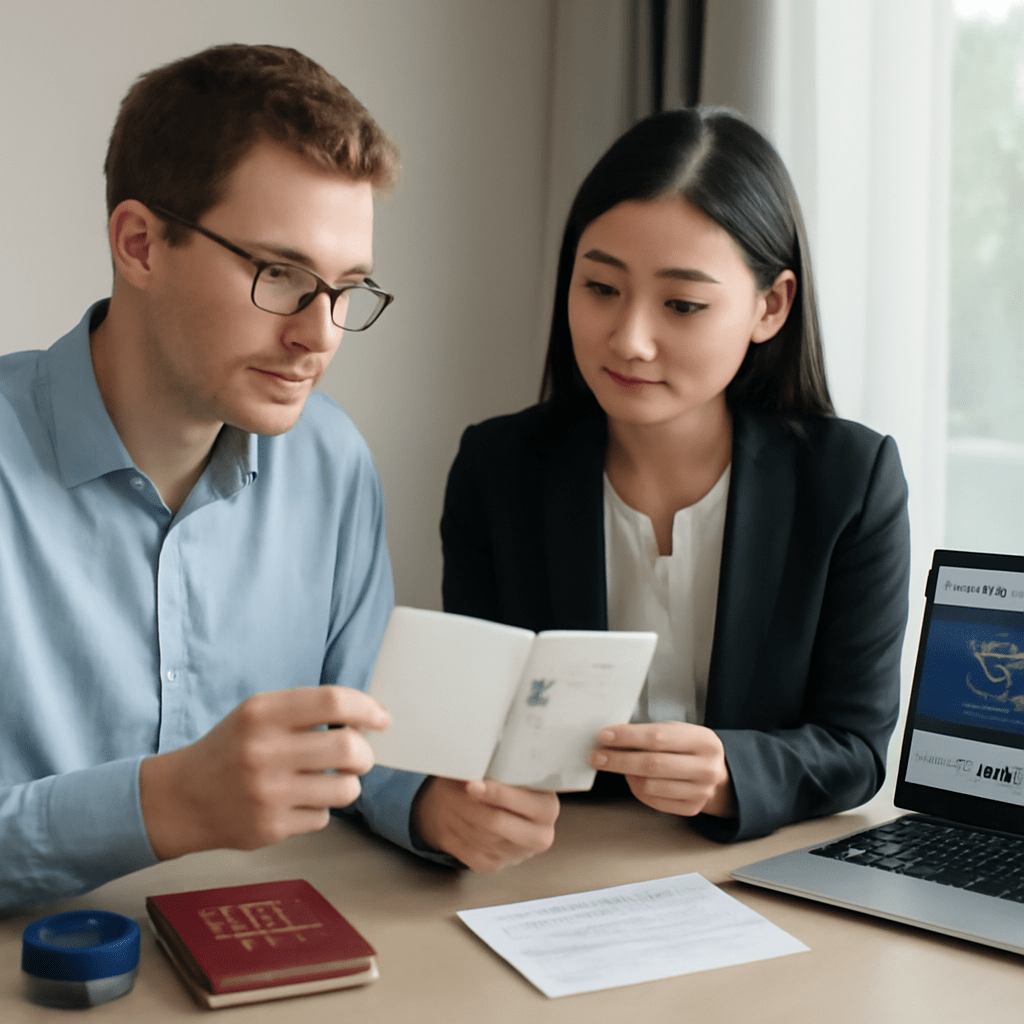
Two titles. One estate. In Thailand, the labels “executor” and “administrator” cause outsized confusion—especially for Udon Thani families trying to move fast after a loss, or foreign heirs dropped into Thai probate language with zero warning. The distinction is simple in principle but tricky in practice: an executor is someone named in a valid will; an administrator is someone the court appoints when there is no will (or the executor can’t serve). In both cases, Thai courts control the appointment before anyone has lawful authority to act. No shortcuts, no informal workarounds. The role is about stewardship—identifying assets, paying lawful debts, distributing what remains—executed with care, documentation, and court oversight. If you want the short version: the job is largely the same once the court signs off; how you get there differs. The rest of this guide unpacks those differences, the mechanics in Udon Thani, and the pitfalls that quietly drain value from an estate.
Quick Answer

Executor vs. Administrator in Thailand—what those words really mean
Executor: chosen by the will; must still be appointed by a Thai court. Administrator: appointed by the Thai court when there is no will or the named executor cannot serve.
Start here: under Thai law, no one manages a deceased person’s Thai estate purely by private agreement. Authority flows from the court. If there is a valid will that names an executor, that person petitions the court in the competent jurisdiction (typically where the deceased resided or where principal assets are located) to be formally appointed. If there is no will—or the will is invalid or the named executor declines or is unable to serve—heirs or interested parties ask the court to appoint an administrator of the estate. Different entry points, same courtroom gateway.
Why this matters for Udon Thani families: the label in your documents decides which petition you file, which facts you must prove, and sometimes the degree of scrutiny on conflicts of interest. After the appointment order, the responsibilities substantially converge: locate assets, protect value, pay lawful debts and taxes as applicable, and distribute according to the will or Thai intestacy rules.
One more practical note: English-language documents often use executor/administrator interchangeably. Thai proceedings do not. If you’re unsure what applies, treat the will (or its absence) as your compass—and let the court confirm the route.
Executor of Will Udon Thani: local representation and filings
Who can be appointed in Udon Thani? Suitability, not ceremony
Thai courts look for a suitable, capable person—often a spouse, adult child, trusted relative, or the person named in the will. Foreign nationals can serve if the court is satisfied they can perform the role.
There isn’t a ceremonial checklist for who can serve; the court is concerned with suitability and the ability to carry out the job. If a will names an executor, the court examines validity of the will and practical capacity of that person. Without a will, the court may appoint a spouse, an heir, or another responsible person with a clear interest. Where there are disputes or clear conflicts, the court may weigh competing petitions and appoint a neutral candidate. The aim is competent administration, not titles.
Foreign family members ask the same question repeatedly: can a non-Thai be appointed? Often yes, if the court is satisfied with their ability to act lawfully in Thailand. Logistics matter—the court may consider residency, language support, and readiness to coordinate with local professionals. Evidence of identity and relationship will be required, and if documents are foreign-issued or non-Thai, translations or legalization may be necessary depending on the court’s expectations.
Bottom line for the query “who can be administrator Thailand”: a capable adult with a legitimate interest, no obvious disqualifying conflicts, and enough practical reach to protect and distribute the estate under court supervision.
Duties of executor vs administrator: same road, different on‑ramps
Once appointed, both roles carry near-identical core duties: secure assets, identify heirs and creditors, pay lawful debts and taxes, and distribute the remainder under the will or Thai intestacy rules, reporting to the court as required.
Whether you are an executor under a will or a court-appointed administrator Thailand relies on, the work itself looks similar. Do it carefully—paper first, money second.
- Asset control: Identify, secure, and maintain the estate’s property—real estate, vehicles, bank accounts, investments, business interests, personal effects.
- Information gathering: Obtain death certificate, family registry extracts, and account statements; verify liabilities; locate heirs and beneficiaries.
- Payments in order: Pay funeral and lawful estate expenses, settle enforceable debts, and handle taxes where applicable.
- Distribution: Transfer or distribute assets per the will or the Thai intestacy framework; document every step.
- Reporting: Provide inventories and updates to the court if and when ordered.
The divergence lies in authority source and proof: an executor shows a valid will that nominates them; an administrator proves the absence of a controlling will (or the executor’s unavailability) and their own suitability. After that, the estate’s needs dictate the to‑do list, not the title.
Can an Executor Sell Property from a Thai Estate? Restrictions explained for Udon Thani
The appointment process in Udon Thani courts: a plain-English map
Expect a petition, supporting documents, a hearing, and—if the court is satisfied—an order appointing the executor or administrator. Timing varies with documents, translation/legalization, disputes, and court schedules.
Courts in Udon Thani handle estate petitions routinely, but no two files move the same way. Here’s a typical arc—think of it as a compass, not a stopwatch:
- File the petition for appointment—executor if there’s a valid will naming one; administrator if not. Attach the death certificate and supporting documents.
- Serve or notify interested parties as the court directs. Heirs or beneficiaries may be contacted to confirm facts or raise objections.
- Hearing: The court reviews the will (if any), hears basic evidence, and assesses suitability. Disputes can trigger more hearings or evidence.
- Appointment order: If satisfied, the court issues an order appointing the executor or administrator, authorizing them to act for the estate.
- Administration: Asset control, creditor handling, and distributions proceed under Thai law and the court’s oversight.
E‑filing may be available in some matters. Where suitable and permitted, practitioners can use the Court of Justice’s systems to lodge filings electronically. Availability and requirements depend on the matter type and court practice.
Timeframes vary—by completeness of documents, need for translations or legalization, whether parties agree, and slot availability for hearings. For a grounded discussion, see How Long Does Probate Take in Udon Thani?
Documents, translations, and district‑office realities
Expect to gather identity and relationship documents, the will (if any), and proof of assets. Foreign documents may require translation or legalization. District office requirements for civil records can vary.
Paperwork fuels the process. The exact list depends on facts and the court, but you should prepare for three buckets:
- Vital records: Thai death certificate; family registration extracts where relevant; marriage records for spouses; birth records for children if needed to establish heirship.
- Testamentary papers: Original Thai or foreign will if applicable, plus any codicils; witness or execution details may be examined at the hearing.
- Asset and liability evidence: Land title copies, bank statements, share certificates, vehicle registrations, business documents, and creditor notices.
Where foreign-language or foreign-issued documents are involved, courts commonly require Thai translations and may require legalization or confirmation of authenticity. The precise pathway varies: some documents may need embassy or consular legalization; others may be accepted with certified translations. Build in time for this step.
Separate but adjacent: the district office (DOPA) handles registration of life events, including death. Document requirements and processing quirks can vary by office—especially where non-Thai documents and names are involved. If timing matters for banking or benefits, ask early and plan for certification or translation lead times.
Legal caution: Requirements can vary by district office and by individual facts. When in doubt, obtain written guidance from the relevant office or consult counsel before committing to travel or deadlines.
Foreign families and Thai assets: traps you can avoid
Cross-border heirs can be appointed, but must navigate translations, legalization, banking compliance, and potential foreign ownership limits—especially with land or restricted assets.
Udon Thani estates frequently involve mixed families and cross‑border assets. Three pressure points deserve attention:
- Foreign executors/administrators: Appointments are possible. Practicalities matter—court appearance logistics, interpreters, and coordination with Thai banks and land offices. Expect to show identity and relationship through documents that may need translation or legalization.
- Land and property rules: Thai law restricts foreign land ownership in most situations. Estate holders must manage transfers or sales in a compliant way; where a foreign heir cannot hold land, a sale or alternative arrangement may be required. The specifics depend on the property, heir status, and applicable regulations—get fact‑specific advice.
- Asset transfers and banking: Banks will require the court’s appointment order and may have internal compliance checks before releasing estate funds. If funds leave Thailand, outward remittance rules and documentary support come into play.
When the estate includes a mix of Thai real estate and offshore assets, phase the work: secure Thai assets under the appointment order, then coordinate with any foreign probate or resealing processes abroad as needed. A misstep on timing or documentation can freeze value for months.
Property sale questions? Read our guide on Udon Thani legal restrictions
Quick checklists and a side‑by‑side comparison you can actually use
Use these practical prompts to decide which role applies, what to prepare, and how duties line up in Thailand.
Which role applies? Ask three questions:
- Is there a valid will that names an executor? If yes, petition for appointment as executor.
- No will, or the executor cannot serve? Petition for appointment as administrator.
- Are there disputes about the will or heirs? Prepare for additional hearings and evidence.
Checklist: what to gather before filing (adjust to your facts and court guidance):
- Thai death certificate and family registry extracts
- Original will and any codicils (if applicable)
- Identification and relationship documents of the petitioner and principal heirs
- Asset snapshots: land title copies, bank statements, share certificates, vehicle registrations
- Known creditor information or claims
- Certified Thai translations and legalization for foreign-issued documents, if required
| Topic | Executor (Will) | Administrator (No Will) |
|---|---|---|
| How appointed | By Thai court, based on a valid will naming the executor | By Thai court, when no valid will (or executor cannot serve) |
| Main legal map | Follow the will’s instructions (subject to Thai law) | Follow Thai intestacy rules for heirs and shares |
| Core duties | Secure assets, pay lawful debts/taxes, distribute, report to court as required | Substantially the same |
| Common disputes | Will validity, executor suitability, interpretation of clauses | Heir identity, shares, administrator suitability |
| Foreign issues | Translation/legalization of the will; coordination with foreign probate | Proof of heirship; cross‑border assets; ownership limits |
When the paperwork is thin or messy—names spelled three ways, assets half‑documented—don’t file blind. Clean first; then move. It saves hearings and stress.
Need representation for executor of will Udon Thani? Talk to our team
A short aside on mutual‑consent divorce paperwork in Thailand (so you don’t mix processes)
Divorce by mutual consent in Thailand is a civil registration process, not a court appointment. It must be in writing, properly signed and witnessed under Thai law, and becomes effective only when properly registered.
Probate has nothing to do with divorce, yet people sometimes try to handle both at once after a family death. Keep the lanes separate. In Thailand, a divorce by mutual consent must be in writing, signed and witnessed as required by Thai law, and it becomes effective only when properly registered at the relevant district office. A sound agreement should address property, debts, children, custody, visitation, and support where relevant to the couple’s circumstances. If the spouses cannot agree, court proceedings may be required instead of administrative registration.
Foreign-language or foreign-issued documents tied to a divorce may require translation or legalization depending on the office and intended use. District office requirements can vary, so verify local expectations before you sign or travel. For a grounded walkthrough, see our local explainer: Divorce by Mutual Consent in Udon Thani.
Back to estates: the executor/administrator appointment is a court-driven process. Don’t conflate the two just because both involve family records.
Did You Know? (Legal & Data Insight)
Did you know? Nationally, only 1 individual has filed a claim for compensation to victims in criminal cases arising from Surin Province, highlighting the significance and challenges of legal issues in this region.
Source: Ministry of Justice Thailand, Open Data (MOJ)
Need Legal Assistance?
If your documents require translation, certification, or you are unsure which district office to choose in Bangkok, contact our legal team immediately. We will review your case, confirm local requirements, and help you register your marriage without delay.